
News
Most recent posts.
 The Microplastic Myth: How Much Plastic Are We Really Ingesting?The widely circulated claim that humans ingest a credit card's worth of microplastics weekly has been re-evaluated by recent science. While we do consume microplastics, the actual amounts are significantly smaller than often reported, offering a more grounded perspective on our daily exposure.
Sandra Zalas
 Your Baby Wears Plastic Every Day. What's in That Diaper?Disposable diapers offer convenience, but understanding their material composition, particularly concerning chemicals like phthalates, is key for informed parenting. Recent research highlights how these substances can be absorbed through an infant's skin.
Sandra Zalas
 Scientists Found Microplastics in Dental Tartar. Now I Have Questions for My Dentist.Scientists have discovered microplastics in human dental tartar. What are they doing there, where might they come from, and what does this mean for the materials we put in our mouths?
Sandra Zalas
 Should You Throw Away Your Plastic Cutting Board?Plastic cutting boards can release micro- and nanoplastic particles during normal use. But does that mean you need to throw yours away today? Here’s what recent studies found, what they didn’t, and how to make a sensible decision in your own kitchen.
Sandra Zalas
 Point-of-Use Water Filters Show Varying Success in Removing MicroplasticsConventional water treatment plants remove most microplastics, but tiny synthetic fragments still reach tap water. Point-of-use home filters provide an effective secondary barrier, though their success depends entirely on the specific filtration technology used.
Jacey Sillito
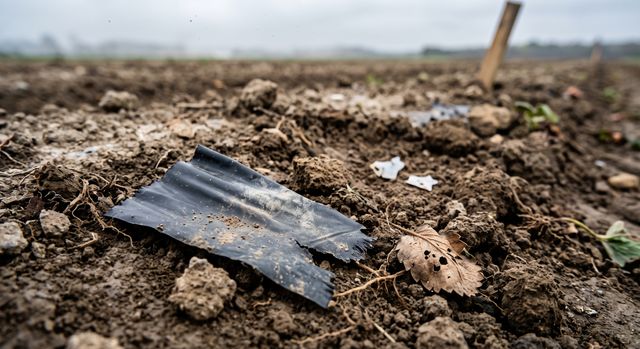 Plastic Mulch Leaves Behind Persistent Pollution that Threatens Soil FunctionPlastic mulch films boost crop yields, but even best-practice removal leaves behind synthetic fragments that degrade soil health over time.
Jacey Sillito
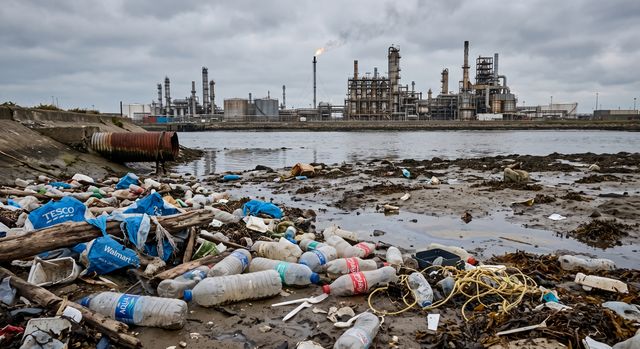 How Fossil Fuel Lobbying Is Delaying the Global Plastics TreatyAs world leaders struggle to finalize the UN Global Plastics Treaty, powerful fossil fuel and petrochemical companies continue deploying armies of lobbyists to weaken binding production limits and protect industry profits.
Jacey Sillito
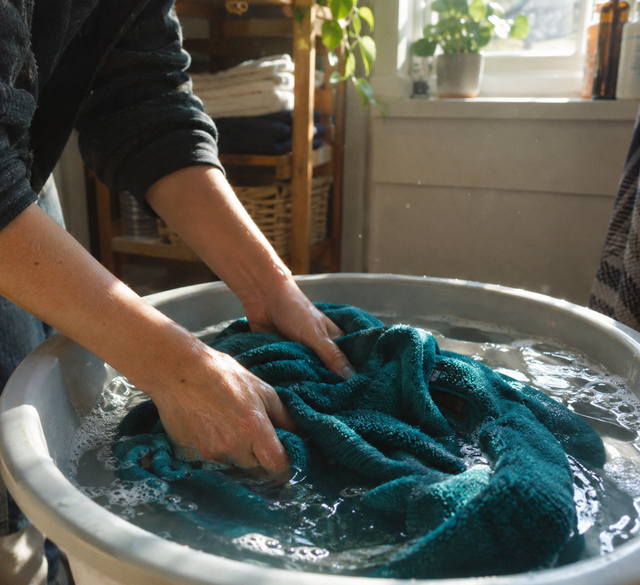 The Hidden Plastic in Your Closet: How Fashion is Polluting Our OceansAs fashion prioritizes outward appearance, the hidden environmental cost is staggering. Synthetic fabrics in our clothing are shedding millions of plastic microfibers into our oceans, posing a silent threat to marine life and human health.
Jacey Sillito
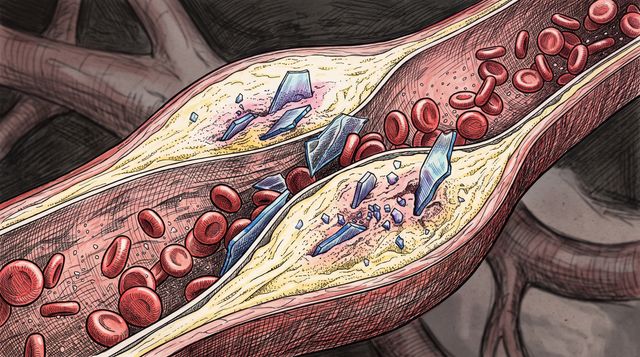 Microplastics in Human Arteries Linked to Heart Attack and Stroke RiskMicroplastics do not just pollute the environment. They can build up directly inside human blood vessels. A major study has found that plastic particles inside arteries are strongly linked to serious heart complications.
Jacey Sillito
 10 Easy Ways to Reduce Your Microplastic ExposureMicroplastics are virtually everywhere in modern daily life, but making small, intentional adjustments to your household routines can significantly lower your daily intake.
Jacey Sillito
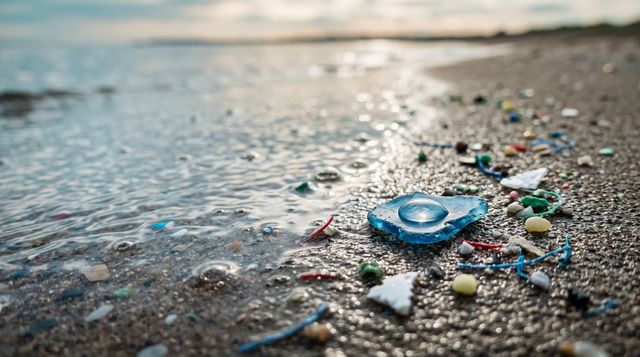 Unpacking the microscopic threat of plastic pollutionMicroplastics are now a global health issue. These microscopic particles absorb industrial toxins, disrupt marine life, and end up in the food we eat. Here is how they spread, where they come from, and why their toxic footprint matters for our future.
Jacey Sillito
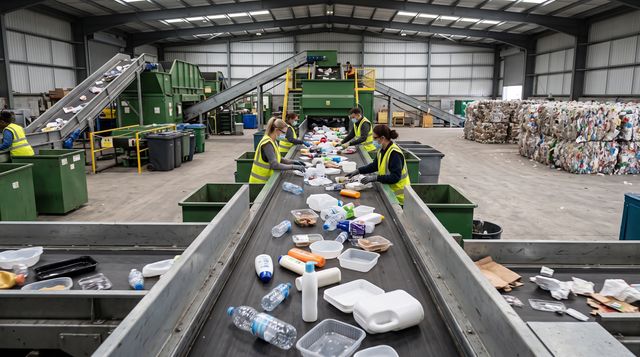 Everything you should know about Extended Producer Responsibility (EPR)If you’ve been following the global conversation around plastic pollution, you’ve probably heard of Extended Producer Responsibility (EPR). These laws shift the cost and cleanup of plastic waste directly onto the corporations that make it.
Jacey Sillito
 Are Your Tea Bags Leaching Billions of Microplastics into Your Cup?Steeping a warm cup of tea is one of the most common daily rituals in the world, yet modern teabags made from synthetic polymers leach massive quantities of microscopic plastic straight into hot water.
Jacey Sillito
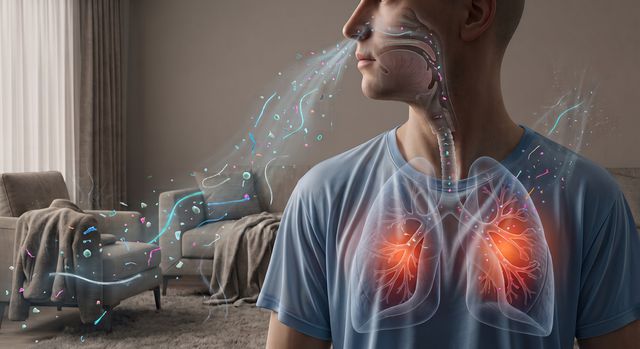 Inhaling Microplastics: What Pulmonary Research Reveals about Synthetic Air ParticlesAirborne microplastics pose a serious, invisible threat to human lung health. Learn about how inhaling synthetic particles causes severe tissue damage and respiratory inflammation.
Jacey Sillito
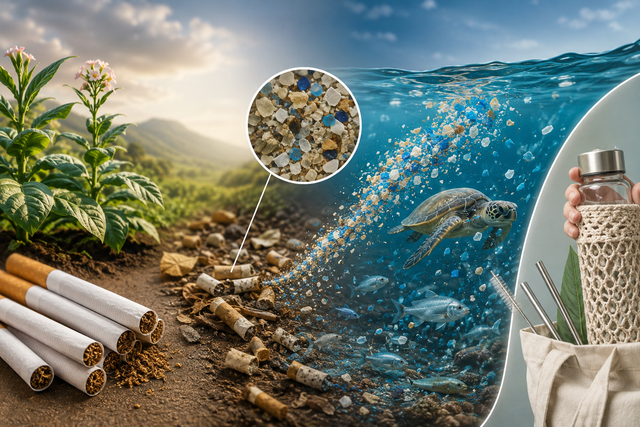 Cigarette Filters and Microplastics: The Hidden Plastic Pollution ProblemCigarette filters contain plastic and can contribute to microplastic pollution. Learn how cigarette butts affect oceans, wildlife, soil and human health.
Viktoriia
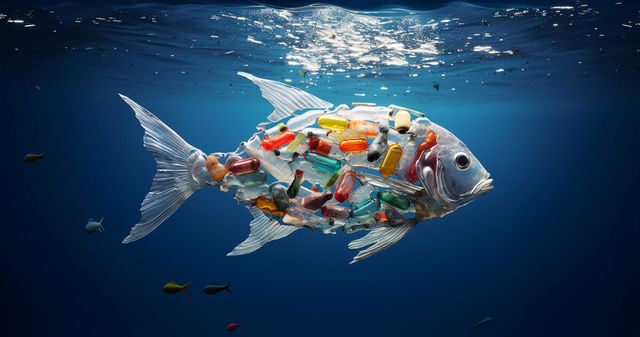 Everything you should know about microplasticsIf you’ve been following the global conversation around plastic pollution, you’ve probably heard of microplastics. These small particles have turned up everywhere from the depths of the ocean to the top of Mount Everest and even throughout the human body.
Mike Prince
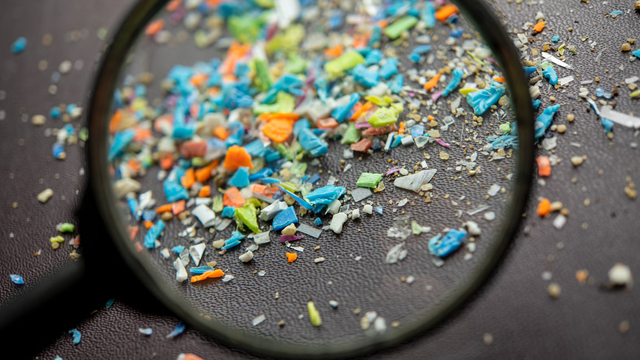 Microplastics and our health: What the science saysMicroplastics — plastic fragments up to 5 millimeters long — are inescapable. An estimated 10 to 40 million metric tons of these particles are released into the environment every year, and if current trends continue, that number could double by 2040
Mike Prince