
Everything you should know about Extended Producer Responsibility (EPR)
By Jacey Sillito
If you’ve been following the global conversation around plastic pollution, you’ve probably heard of Extended Producer Responsibility (EPR). These laws shift the cost and cleanup of plastic waste directly onto the corporations that make it.
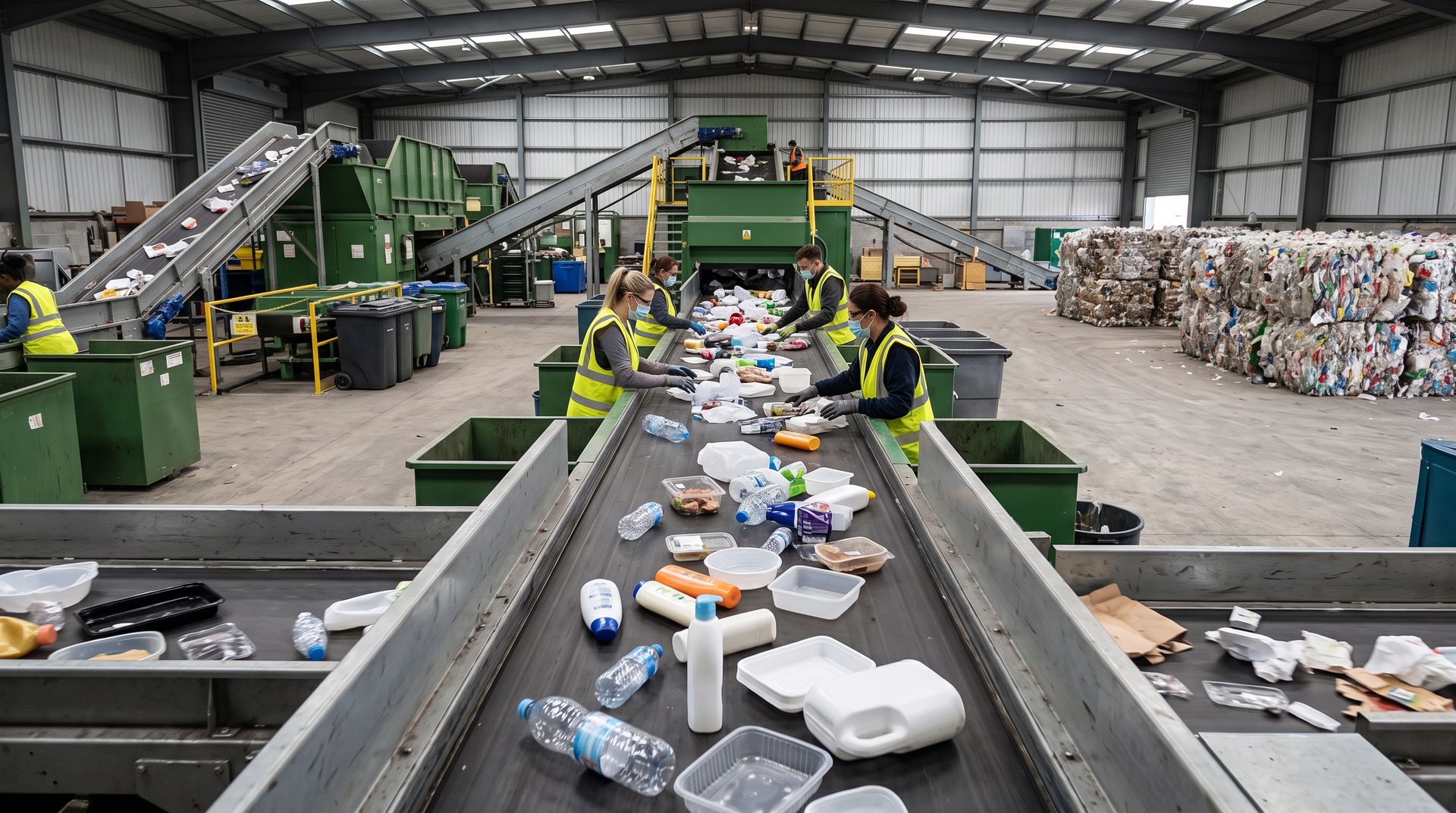
A recent study on global EPR policies explores how these mandates are fixing our broken recycling systems. Today, in the US, only about 8.66% of plastic gets recycled, while 75.9% goes directly to landfills. Because collecting, sorting, and processing recyclables costs local governments significantly more than dumping waste into landfills, EPR provides a critical solution by holding manufacturers financially accountable.
Under EPR programs, companies that make plastic packaging must cover the costs of picking it up, sorting it, and recycling it after consumers use it. To encourage better choices, many programs charge higher fees for hard-to-recycle plastics and offer discounts for eco-friendly designs, prompting brands to create simpler, reusable packaging. Proven programs in the European Union and pioneering laws in US states like Maine, Oregon, Colorado, and California show that holding manufacturers accountable builds better recycling systems and keeps plastic out of landfills.
What exactly is Extended Producer Responsibility, why is it critical, and how can shift-of-responsibility laws overhaul plastic recycling? Read the full study to find out.